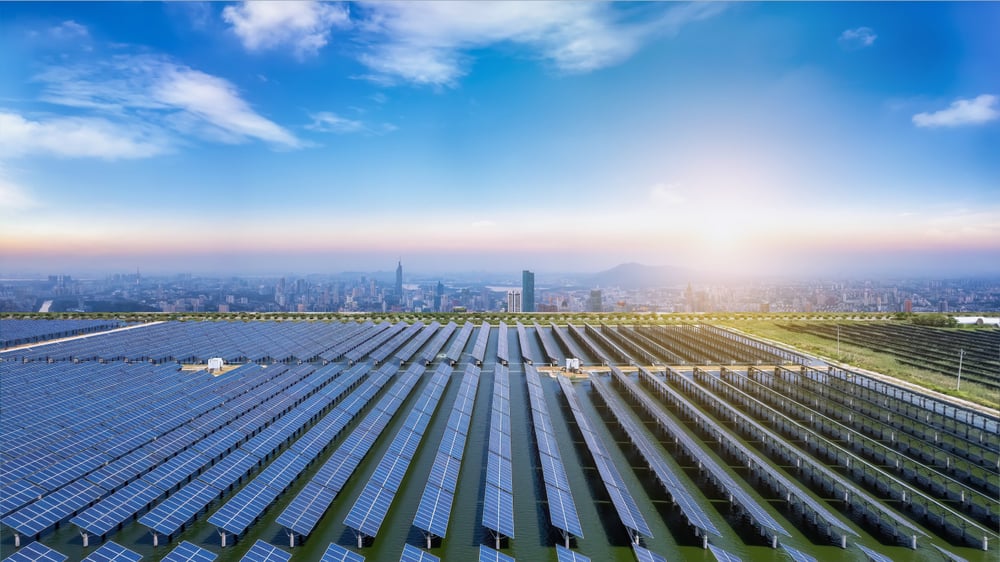
The UAE's Energy Strategy 2050 is a landmark initiative aimed at transforming the nation’s energy sector by balancing supply and demand while promoting environmental sustainability.
The strategy is designed to increase the contribution of clean energy to 50% of the total energy mix and reduce the carbon footprint of power generation by 70% by 2050.
This ambitious plan underscores the UAE's commitment to achieving a sustainable energy future.
UAE energy strategy 2050: Goals and milestones
Launched in 2017, the UAE Energy Strategy 2050 set clear objectives. By 2030, the strategy aims to triple renewable energy's contribution, enhance energy efficiency, and invest AED 150-200 billion to meet growing energy demands.
- Increasing the contribution of clean energy: The strategy aims to boost the share of clean energy in the total energy mix from 25% to 50% by 2050. This includes renewable energy sources such as solar, wind, and nuclear power.

- Reducing carbon emissions: The strategy targets a 70% reduction in the carbon footprint of power generation. This is aligned with the UAE’s broader environmental goals and commitments under the Paris Agreement.

- Economic growth and job creation: The plan includes creating 50,000 new green jobs by 2030 and generating significant economic benefits. Due to reduced energy costs and increased efficiency, the strategy is estimated to result in financial savings of AED 700 billion by 2050.
- Investment in renewable energy: The strategy outlines plans to invest AED 150-200 billion by 2030 to develop the renewable energy sector. This investment is critical for meeting the growing energy demand driven by the UAE’s rapid economic growth.

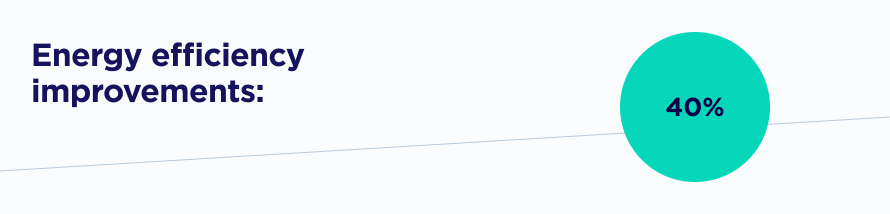
- Energy efficiency improvements: Another key goal is to increase energy efficiency by 40% across various sectors. This involves implementing advanced technologies and best practices in energy management.
- Enhanced energy infrastructure: The strategy aims to improve the energy infrastructure to support the integration of renewable energy sources. This includes upgrading the national grid and developing smart grid technologies to enhance energy distribution and reliability.
Key renewable energy initiatives in the UAE
Major projects like the Mohammed bin Rashid Al Maktoum Solar Park and the Barakah Nuclear Power Plant are central to this strategy.
- Mohammed bin Rashid Al Maktoum solar park: Located in Dubai, this solar park is one of the largest in the world. Upon completion, it will have a capacity of 5,000 MW and is expected to provide clean energy to over 800,000 homes. The park is a cornerstone of Dubai’s efforts to generate 75% of its energy from renewable sources by 2050.
- Barakah Nuclear power plant: The first nuclear power plant in the Arab world, Barakah will provide approximately 25% of the UAE’s electricity needs when fully operational. It consists of four APR-1400 nuclear reactors with a total capacity of 5,600 MW. The plant plays a vital role in the UAE's strategy to diversify its energy mix and reduce carbon emissions.
- Noor Abu Dhabi solar plant: Noor Abu Dhabi is currently the world's largest single-site solar project with a capacity of 1,177 MW. It significantly contributes to the UAE’s renewable energy capacity and helps reduce the country’s carbon footprint by displacing conventional power generation.
- Development of hydrogen energy: The UAE is investing in both blue and green hydrogen production as part of its strategy to diversify energy sources and reduce carbon emissions. The National Hydrogen Strategy aims to position the UAE as a leading producer and exporter of hydrogen by 2050.
- Carbon capture and storage (CCS): The UAE is a pioneer in the region for carbon capture and storage technologies. Projects like the Al Reyadah CCUS facility capture carbon emissions from industrial sources and store them underground, helping to mitigate climate change impacts.
- Wind energy projects: Although still in the early stages, wind energy projects are being developed to complement the UAE's renewable energy mix. These projects are part of the broader effort to harness diverse renewable energy sources.
Dubai's initiatives for sustainable energy
Dubai is at the forefront of the UAE's sustainable energy initiatives. The emirate's strategic plans align with the broader UAE Energy Strategy 2050, focusing on expanding solar and other renewable energy projects. In addition to Dubai’s Mohammed bin Rashid Al Maktoum Solar Park, significant projects are contributing to the national renewable energy goals.
- Pumped-storage hydroelectric power plant in Hatta: This innovative project will have a production capacity of 250 MW and is the first of its kind in the GCC. It exemplifies Dubai’s commitment to diversifying its energy portfolio and enhancing energy storage solutions.
- Hassyan sea water reverse osmosis plant: Dubai plans to build the world's largest solar-powered desalination plant, which will use reverse osmosis technology. By 2030, 100% of desalinated water in Dubai is projected to be produced by a clean energy mix, significantly reducing carbon emissions and operational costs.
- Net zero carbon emissions strategy 2050: Dubai is committed to achieving 100% clean energy production capacity by 2050. Short-term goals include reaching 27% clean energy by 2030, surpassing the initial target of 25%. This strategy involves major investments in solar, wind, and other renewable energy technologies to ensure a sustainable future
Future of sustainable energy in UAE
Looking ahead, the UAE's renewable energy landscape is set to grow with continued investments and innovations. Key future projects include:
- Advancements in hydrogen energy: The UAE is scaling up both blue and green hydrogen production. The National Hydrogen Strategy aims to make the UAE one of the top ten hydrogen producers globally by 2031. Masdar, a key player in this sector, aims to produce up to one million tons of green hydrogen annually by 2030.
- Carbon capture initiatives: Extensive carbon capture and storage (CCS) projects are being developed to mitigate the environmental impact of continued hydrocarbon use. The UAE is investing heavily in CCS technologies to reduce carbon emissions from industrial sources.
- Investment in renewables: The UAE plans to invest $163 billion in renewable energy projects by 2050, with a focus on solar energy, green hydrogen, and waste-to-energy projects. This investment is expected to drive significant growth in the renewables sector and contribute to the UAE’s net-zero emissions goal by 2050.
DMCC's role in the Energy Ecosystem
As part of its ongoing commitment to innovation and sustainability in the energy sector, DMCC continues to play a pivotal role in advancing the UAE's energy goals. The Future of Trade: Special Energy Edition highlights key trends and insights into the global energy transition, including investments in clean energy, hydrogen, and low-carbon technologies.
The DMCC Energy Ecosystem is central to the UAE's renewable energy strategy, providing a robust platform for over 3,400 member companies engaged in the energy sector. The ecosystem supports the import and re-export trade of various energy commodities, including crude oil, natural gas, solar, wind, geothermal systems, biofuels, hydrogen, and energy storage solutions.
DMCC's Energy Club offers a unique networking platform for local and global energy-related companies, fostering collaboration and innovation. Through strategic investments and innovative projects like DMCC’s Energy Ecosystem, the UAE is well on its way to achieving its ambitious renewable energy goals, setting a benchmark for other nations to follow.