The global food system is entering a period of significant structural pressure. Population growth across Asia and Africa, changing consumption patterns, and increasing geopolitical uncertainty are placing greater strain on global protein supply chains.
As a result, food security is becoming a national priority rather than simply a logistics challenge. Governments, traders, and supply chain operators are now placing greater focus on how food products are sourced, verified, financed, stored, and distributed across international markets.
At the same time, the global meat trade continues to operate through fragmented supply chains that are highly exposed to trade disruption, climate volatility, and rising compliance requirements around traceability, halal assurance, and sustainability.
This is creating demand for more transparent and integrated trade infrastructure, particularly in markets that can support large-scale import, re-export, and distribution activity with speed, regulatory certainty, and international connectivity.
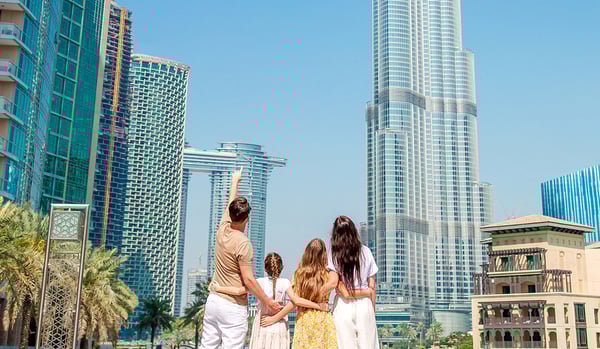
Against this backdrop, Dubai is increasingly positioned as an important global trade and logistics hub for the movement of meat products across the GCC, Africa, and Asia. Within this shift, DMCC is exploring how its existing trade infrastructure, commodity expertise, and international networks can support the development of a more transparent and traceable meat trade environment in the UAE.
Why food security is becoming a trade priority
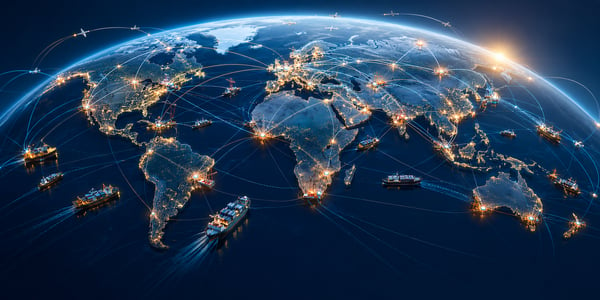
The global meat industry remains heavily dependent on a relatively concentrated group of exporting markets, including Brazil, Australia, India, and the United States. This creates long and operationally complex supply chains that are increasingly vulnerable to geopolitical disruption, transport bottlenecks, and changing trade regulations.
At the same time, demand for higher standards around food safety, halal assurance, origin verification, and sustainability continues to increase across global markets.
For traders and import-dependent economies, the challenge is no longer only about securing supply volumes. Increasingly, it is about ensuring consistency, traceability, financing access, and long-term resilience across the entire trade chain.
This is accelerating the need for trusted trade corridors and neutral international hubs capable of supporting both high-volume movement and stronger accountability standards.
Dubai’s role in the global meat trade continues to grow
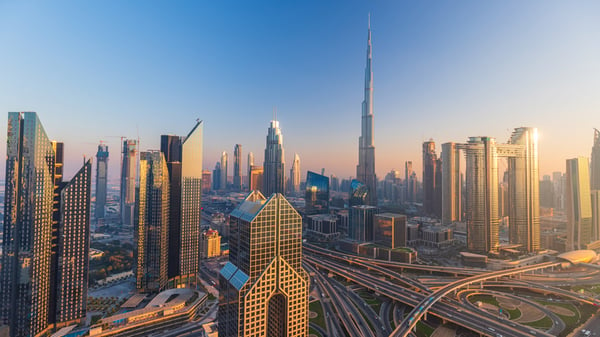
The UAE has developed into a major import and re-export hub for meat trade, supported by its geographic position, logistics infrastructure, and connectivity to regional growth markets.
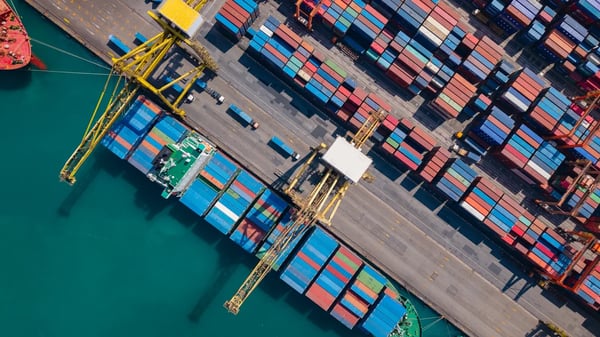
Dubai in particular operates as a central redistribution point linking suppliers to buyers across the GCC, Africa, and Asia through integrated ports, aviation connectivity, warehousing, and cold chain infrastructure.
This operating model allows products to move efficiently across multiple markets while maintaining speed and compliance requirements.
However, the market also remains highly fragmented, with competitive advantage often shaped by logistics access, trade finance capability, and supplier relationships rather than unified standards or transparent trade frameworks.
As international markets place greater emphasis on traceability and supply chain accountability, this creates an opportunity for more structured and technology-enabled trade environments to emerge.
Building a more transparent and traceable meat trade environment
As part of this broader industry shift, DMCC is exploring how its existing commodity trade infrastructure can support the future development of a more connected meat trade environment in Dubai.
Rather than replicating operational supply chain functions already present in the market, the focus is on strengthening the institutional and infrastructure layer surrounding trade, particularly across:
- traceability and origin assurance
- halal verification frameworks
- trade finance and inventory management
- digital documentation and supply chain transparency
- international buyer and supplier connectivity
This approach builds on DMCC’s experience in establishing internationally recognised trade frameworks across other commodity sectors, including standards, compliance systems, and trade facilitation infrastructure.
Through a closely coordinated effort with partners such as DP World, the UAE Food Cluster, and the Ministry of Climate Change and Environment (MOCCAE), DMCC is working towards the development of a corridor that links producers in Brazil and Australia directly to the growing demand centres of the Middle East and Asia.
The objective is to support greater confidence and transparency across meat trade flows while enabling businesses operating in the sector to scale more efficiently.
The importance of infrastructure in meat trade
As supply chains become more complex, access to financing, inventory visibility, and verified trade documentation is becoming increasingly important across the meat industry.
This is particularly relevant for mid-sized traders and distributors operating within capital-intensive and low-margin environments where liquidity and risk management remain ongoing challenges.
Platforms such as DMCC Tradeflow already support ownership registration, collateral management, and trade finance structures across commodity markets. Similar infrastructure could help support more transparent inventory financing and warehouse-backed trade models within the meat sector as the market evolves.
At the same time, digitisation and traceability technologies are becoming increasingly important for verifying compliance standards across the international food trade.
For markets importing large volumes of halal products, the ability to combine logistics efficiency with trusted assurance frameworks is likely to become a growing competitive advantage.
The global protein trade is going to be more integrated
As food security becomes more central to economic resilience worldwide, the industry’s focus is gradually shifting toward accountable access, trusted trade routes, and supply chain integrity. That transition is likely to shape the next generation of the global meat trade.
Trade hubs that combine logistics infrastructure, financing capability, traceability systems, and international connectivity will play a growing role in supporting long-term food security strategies.
Dubai is already positioned within many of these global trade flows, while food security remains central to the UAE’s “We the UAE 2031” vision. Within this environment, DMCC is exploring how its trade infrastructure, commodity expertise, and international partnerships can support a more transparent and connected global meat trade ecosystem.