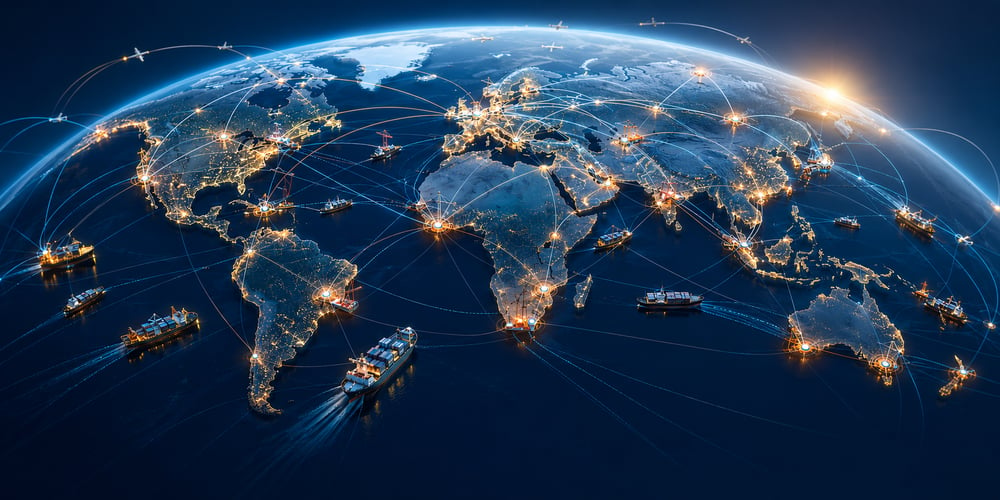
Micro, small and medium-sized enterprises (MSMEs) have long been the backbone of the global economy. Today, they are playing an increasingly important role in global trade. According to the United Nations, MSMEs account for around 90% of businesses worldwide, generate 60–70% of global employment, and contribute approximately 50% of global GDP.
What is changing is not their economic importance, but their ability to scale internationally. Advances in technology, digital commerce, logistics, and cross-border payments are enabling smaller businesses to access global markets much earlier in their growth journey.
To scale successfully, MSMEs increasingly need three things: market access, trusted business networks, and infrastructure that supports cross-border growth. This is increasingly shaping where businesses choose to operate from, particularly within globally connected business hubs such as DMCC.
The economic importance of MSMEs
MSMEs are central to economic growth, job creation and innovation across both developed and emerging markets.
Their importance extends beyond scale. Compared with larger organisations, MSMEs are often more agile, allowing them to respond faster to changing customer needs, adopt new technologies and capture niche market opportunities. This agility is becoming increasingly valuable in a global economy shaped by rapid technological change and evolving trade patterns.
In OECD economies, SMEs account for approximately 40% of exports, highlighting their growing role in cross-border trade.
Why does global market access matter for growing MSMEs?
For ambitious SMEs, international growth is increasingly becoming a strategic priority rather than a long-term aspiration.
New trade corridors are emerging, global demand is becoming more accessible, and businesses can reach international customers faster than ever before.
Despite growing opportunities, expanding internationally remains complex.
Many MSMEs still face barriers such as:
- limited access to growth capital
- regulatory and compliance complexity
- fragmented supply chains
- cross-border payment friction
- limited access to trusted market intelligence and partners
These challenges can slow expansion, increase costs, and create operational uncertainty.
This is why many growing businesses are choosing to position themselves within globally connected trade hubs. Being part of an environment that is already connected to international markets can significantly reduce the friction associated with expansion.
The three advantages that help MSMEs scale globally
1. Market access
Entering a new market requires more than customer demand. MSMEs need visibility, local market knowledge and efficient routes into international trade corridors.
Operating within globally connected trade hubs can help reduce barriers to entry and improve access to new opportunities.
At DMCC, businesses operate within a community of more than 26,000 companies from over 180 countries, creating access to international markets across multiple sectors.
2. Trusted business networks
One of the biggest advantages larger organisations have traditionally enjoyed is access to established networks.
They have relationships with suppliers, partners, investors, advisers and customers that have often been built over many years.
MSMEs, by contrast, are often building these relationships from scratch.
Yet in today's economy, connections can be one of the most valuable growth assets a business has.
A new supplier can unlock operational efficiencies. A strategic partnership can open a new market. Access to industry expertise can help businesses navigate unfamiliar challenges and make more informed decisions.
This is why business communities have become such an important part of modern trade.
Through its events, sector platforms, business networks and knowledge-sharing initiatives, DMCC helps businesses build relationships that can support long-term growth.
Success stories
"We have access to the institution and the government layers, which is not common in other places where we were working before. DMCC is definitely pushing the crypto in a way it needs to go."
3. Infrastructure that supports growth
Behind every successful expansion story is infrastructure that makes growth easier.
For MSMEs, entering new markets can be resource-intensive. Administrative complexity, operational requirements and access to the right support services can all influence the speed and success of expansion.
Businesses increasingly look for locations that provide:
These factors help businesses scale more efficiently and with greater confidence.
Success stories
"You don't need a huge investment to enter this market — the infrastructure is already there."
Why do business ecosystems matter for MSME growth?
As industries become more specialised, businesses increasingly benefit from operating within connected business ecosystems rather than in isolation.
Businesses are seeking locations that provide access not only to customers and partners, but also to capital, technology, logistics, compliance expertise and specialist services.
Whether operating in commodities, technology, finance, energy or emerging sectors, companies increasingly benefit from being part of industry-focused communities rather than operating in isolation.
This reflects a broader shift in how businesses scale internationally. Access to sector-specific expertise and adjacent capabilities can accelerate innovation, unlock commercial opportunities and improve responsiveness to changing market conditions.
How DMCC supports MSME growth
This is where business districts such as DMCC play an important role.
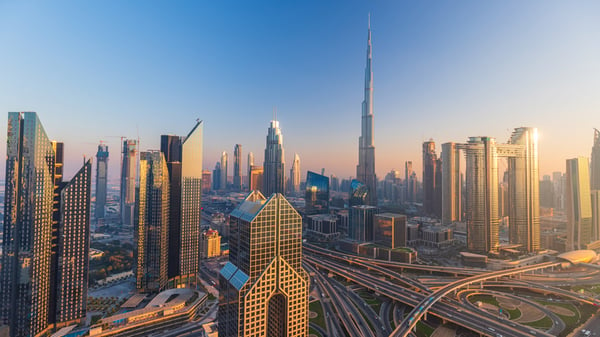
DMCC is home to more than 26,000 companies from over 180 countries, creating a highly integrated business district.
Businesses operating within DMCC gain access to:
- global trade networks
- sector-focused ecosystems
- business events and networking opportunities
- specialised support services
- infrastructure designed for growth
What began as a commodities hub has evolved into a broader ecosystem connecting trade, technology, finance, energy, and emerging sectors.
This provides MSMEs with access to the markets, relationships, and infrastructure needed to grow internationally.
Success stories
"DMCC's support and Dubai's strategic location are helping us expand into the MENA region."
Why will agile businesses shape global trade?
As MSMEs continue to drive innovation, create employment, and expand across borders, their influence on global trade will continue to grow.
The businesses shaping the next era of trade may not be the largest. Increasingly, they will be the most agile, connected, and globally minded.
For MSMEs, competitive advantage will increasingly depend on more than product or price.
Access to markets, trusted networks, and scalable infrastructure will increasingly determine which businesses succeed in the global economy.